

What you eat when you're not fasting matters just as much as the fasting itself. Your eating window is your only opportunity to fuel muscle repair, stabilize blood sugar, and load up on the micronutrients your body needs to thrive. Choosing the wrong foods, even briefly, can leave you fatigued, hungry within hours, and far short of the results you're working toward. This guide covers exactly which foods to prioritize, how to break your fast without discomfort, and how to tailor your food strategy to your specific fasting protocol.
Table of Contents
- How food choices impact intermittent fasting
- Top nutrient-dense foods to include during eating windows
- What to eat to break your fast gently
- Comparison: Foods for fasting types and special situations
- What to avoid: Foods and habits that undermine your fast
- Fasting success: Why quality matters more than timing
- Track your fasting foods for optimal results with Numi
- Frequently asked questions
Key Takeaways
| Point | Details |
|---|---|
| Focus on whole foods | Nutrient-dense, unprocessed options enhance energy, satiety, and fasting results. |
| Break fasts gently | Start with easy-to-digest meals like smoothies, eggs, or yogurt to minimize discomfort. |
| Tailor food for your plan | Adjust meals based on your fasting method and personal needs for best outcomes. |
| Avoid processed foods | Skipping ultra-processed snacks supports fasting benefits and overall health. |
| Quality matters most | Consistent, nutritious choices are more impactful than the exact fasting window. |
How food choices impact intermittent fasting
Intermittent fasting is not just about when you stop eating. The quality of what you consume during your eating window directly shapes your energy levels, how well you retain muscle, how hungry you feel during fasting hours, and your long-term metabolic health. Many people focus entirely on the clock and completely overlook the plate.
Research confirms that IF supports weight loss equivalent to roughly 250 calories per day, or about 0.5 pounds per week, alongside measurable improvements in blood sugar and blood pressure, especially when eating windows are earlier in the day. These benefits are real, but they depend heavily on what fills those eating windows.
The core principles for selecting fasting-friendly foods are straightforward:
- Lean protein: Chicken breast, fish, eggs, legumes, and Greek yogurt preserve muscle mass and keep hunger at bay.
- Healthy fats: Avocado, olive oil, nuts, and fatty fish support hormone production and slow digestion for sustained energy.
- Fiber-rich vegetables: Broccoli, spinach, kale, and Brussels sprouts feed gut bacteria and add volume without excess calories.
- Whole grains: Oats, quinoa, and brown rice provide steady glucose release rather than sharp spikes and crashes.
- Minimally processed foods: The closer to their natural form, the better the nutrient density per calorie.
"Pair intermittent fasting with heart-healthy, anti-inflammatory diets like the Mediterranean blueprint, including leafy greens, healthy fats, lean protein, and whole grains, for optimal benefits. Avoid processed and fast foods even during eating windows."
This Mediterranean-style framework is not a trend. It's the most consistently supported dietary pattern across decades of research, and it aligns perfectly with what intermittent fasting needs to work at its best.
Top nutrient-dense foods to include during eating windows
With these principles in mind, here's a highly effective food list to build your meals around. The goal is not perfection on every plate but a consistent pattern of choosing foods that do real work for your body.
Nutrient-dense whole foods, including lean proteins, healthy fats, fiber-rich vegetables, whole grains, fruits, nuts, and seeds, are the foundation for sustaining energy, preserving muscle, and amplifying the health benefits of fasting. Here's how each category shows up in practice:
- Eggs: One of the most complete protein sources available. Two large eggs deliver about 12 grams of protein and a full spectrum of B vitamins, choline, and healthy fats. They're easy to prepare and incredibly versatile.
- Fatty fish like salmon: Rich in omega-3 fatty acids, which reduce inflammation and support brain function. A 3-ounce serving of salmon provides roughly 22 grams of protein alongside EPA and DHA, two fatty acids most people don't get enough of.
- Plain Greek yogurt: High in protein and probiotics, Greek yogurt supports gut health while keeping you full. Pair it with berries for a fiber and antioxidant boost that makes it a near-perfect first meal.
- Leafy greens: Spinach, kale, arugula, and Swiss chard are low in calories but dense in magnesium, iron, folate, and vitamin K. These micronutrients support energy metabolism and are often depleted during fasting.
- Avocados: Loaded with monounsaturated fats and potassium, avocados slow digestion and help maintain electrolyte balance, which is especially important if you're fasting for 16 or more hours.
- Nuts and seeds: Almonds, walnuts, chia seeds, and flaxseeds provide healthy fats, protein, and fiber in a compact package. A small handful is enough to add satiety without overshooting calories.
- Quinoa and oats: Both are complete or near-complete protein sources among grains, and both offer slow-digesting carbohydrates that prevent the energy crashes common after high-sugar meals.
- Berries: Blueberries, raspberries, and strawberries are among the best foods for fasting because they deliver fiber and antioxidants with a relatively low glycemic impact compared to other fruits.
- Non-starchy vegetables: Broccoli, cauliflower, zucchini, and bell peppers add bulk and micronutrients to meals without pushing calorie counts up.
Pro Tip: Build every eating window meal around a protein source, a healthy fat, and a fiber-rich vegetable or grain. This combination slows gastric emptying, keeps blood sugar stable, and dramatically reduces hunger during fasting hours.
What to eat to break your fast gently
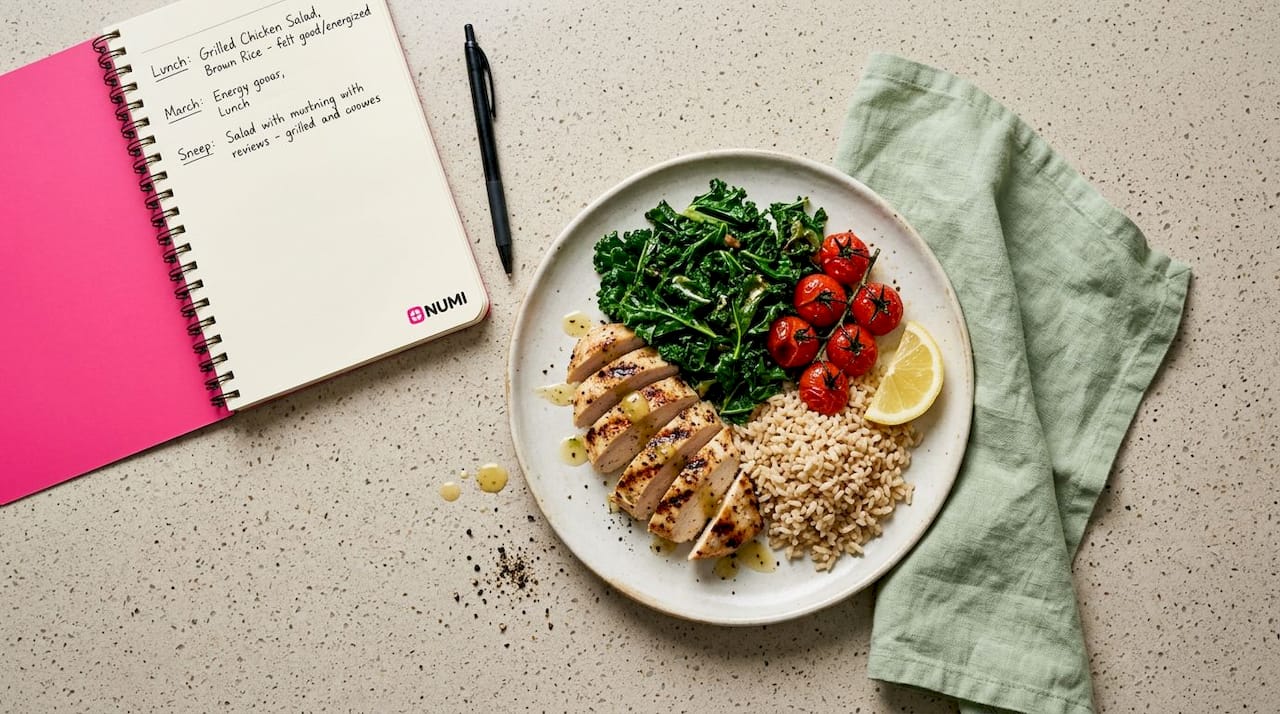
After selecting top foods, knowing how to break your fast can help you avoid setbacks or discomfort. After an extended fast, your digestive system is more sensitive than usual. Jumping straight into a heavy meal, especially one rich in fat or refined carbohydrates, can cause bloating, blood sugar spikes, and energy crashes that undo the metabolic benefits you just worked for.
Here's a step-by-step approach to breaking your fast in a way that feels good and sets you up for a strong eating window:
- Start with water or an electrolyte drink. Before any food, rehydrate. After 16 or more hours without eating, your body needs fluids and minerals. A glass of water with a pinch of sea salt or a no-sugar electrolyte tablet works well.
- Introduce something liquid or semi-liquid first. A small smoothie with protein powder, spinach, and berries, or a broth-based soup with lentils or tofu, is easy on the gut and delivers nutrients quickly without overwhelming digestion.
- Move to easily digestible whole foods. Cooked starchy vegetables, fermented foods, eggs, and avocados are all excellent second-phase options. Potatoes, for example, are surprisingly satiating and gentle on the digestive system when cooked and cooled slightly.
- Add fermented foods. Yogurt, kefir, or a small serving of kimchi can help reintroduce beneficial bacteria to your gut, which is particularly helpful if you fast regularly.
- Transition to a balanced full meal. Once your body has had 20 to 30 minutes to adjust, a complete meal with lean protein, vegetables, and whole grains is appropriate and will keep you satisfied for hours.
Pro Tip: Avoid breaking your fast with high-sugar foods, fruit juice, or refined carbohydrates. These cause a rapid blood sugar spike followed by a crash that triggers intense hunger, which is the opposite of what you want heading into the rest of your eating window.
Comparison: Foods for fasting types and special situations
But not all fasting plans are the same. See how to tailor your food strategy for your specific protocol, because the right foods for a 16/8 day look different from what you need on a 5:2 fasting day.
On low-calorie fasting days in the 5:2 method, which limits intake to 500 to 600 calories, your food choices carry even more weight. Every calorie has to work harder, so high-fiber and high-protein foods become non-negotiable for managing hunger.
| Fasting protocol | Primary food focus | Top food choices | Key rationale |
|---|---|---|---|
| 16/8 daily fast | Balanced macros | Salmon, eggs, quinoa, leafy greens, avocado | Sustain energy across a full eating window |
| 5:2 (low-calorie days) | High protein, high fiber | Greek yogurt, lentils, broccoli, eggs, berries | Maximize satiety on restricted calories |
| Alternate-day fasting | Nutrient density | Fatty fish, legumes, oats, nuts, non-starchy vegetables | Prevent nutrient gaps across alternating days |
| OMAD (one meal a day) | Complete nutrition | Balanced plate with all macros and micronutrients | Single meal must cover daily nutritional needs |
Research comparing fasting approaches shows that alternate-day fasting may yield slightly better weight loss results, roughly 1.3 kilograms more than standard calorie restriction, but the quality of food consumed still determines the overall health outcome. Timing alone is not the deciding factor.
"Whether you're doing 16/8 or alternate-day fasting, the research is clear: focusing on quality nutrition over timing alone produces the most durable results."
A few additional notes for people with special considerations:
- Women: Some women experience hormonal disruption with aggressive fasting schedules. Emphasize iron-rich foods like lentils and leafy greens, along with calcium-rich options like Greek yogurt, to support hormonal and bone health.
- Active individuals: If you train during fasting windows, prioritize protein intake immediately after your workout when your eating window opens. Aim for at least 25 to 30 grams of protein in that first meal.
- Beginners: Start with a 12-hour fast before moving to 16/8. Use that time to practice building the right meals rather than focusing on extending the fast.
What to avoid: Foods and habits that undermine your fast
Alongside knowing what to eat, it's equally important to avoid setbacks from the wrong food or drink choices. Many people unknowingly break their fast or sabotage their results through small, seemingly harmless habits.
During strict fasting periods, only zero-calorie beverages like water, black coffee, and unsweetened tea are permitted. Anything with calories, including milk in coffee, flavored sparkling water with sugar, or "just a bite" of food, technically breaks the fast and interrupts the metabolic processes you're trying to trigger.
Beyond the fasting window itself, here are the most common pitfalls during eating windows:
- Ultra-processed foods: Chips, packaged snacks, fast food, and sugary cereals are calorie-dense but nutrient-poor. They spike blood sugar, trigger cravings, and leave you hungrier faster.
- Sugary beverages: Fruit juice, soda, and sweetened coffee drinks add significant calories with zero satiety benefit. They're among the fastest ways to undermine a fasting protocol.
- Overcompensating on calories: Some people feel entitled to eat more because they fasted. This mindset erases the caloric deficit that makes IF effective. Aim for normal, balanced meals rather than reward-style eating.
- Skipping hydration: Dehydration mimics hunger. If you're reaching for food during a fasting window, drink a full glass of water first and wait 10 minutes.
- Relying on supplements instead of food: Protein bars and meal replacement shakes are convenient but often contain hidden sugars and additives. Real, whole foods are always the better choice when available.
Pairing intermittent fasting with anti-inflammatory, whole-food eating is the single most effective way to protect your results. The fasting schedule opens the door; the food quality determines what walks through it.
Fasting success: Why quality matters more than timing
Here's the perspective that most fasting content glosses over: the specific protocol you follow matters far less than what you put on your plate during eating windows. The fasting community spends enormous energy debating 16/8 versus 18/6, early eating windows versus late ones, and whether black coffee truly breaks a fast. Meanwhile, the people who see the most lasting results are the ones quietly eating salmon, roasted vegetables, and Greek yogurt regardless of which fasting schedule they follow.
Research comparing IF directly to traditional calorie restriction shows they are roughly equivalent for weight loss, with alternate-day fasting showing a modest edge. But here's what that data really tells you: the timing structure is a tool, not a solution. If you fill your eating window with processed foods, refined carbohydrates, and sugary snacks, no fasting protocol will save you from the metabolic consequences.
The people who thrive long-term on intermittent fasting share one habit above all others: they pay close attention to what they eat, not just when. They track their meals, not obsessively, but with enough awareness to notice patterns. They know which foods keep them energized through a 16-hour fast and which ones leave them ravenous by hour 10. That awareness is built through consistent observation, not guesswork.
Our take is that the most underrated fasting tool is not a new protocol or a stricter eating window. It's the habit of tracking your food with enough detail to actually learn from it. When you can see that Tuesday's high-fiber, high-protein lunch kept you satisfied for six hours but Wednesday's carb-heavy meal had you hungry in three, you stop debating fasting methods and start optimizing what genuinely works for your body.
Track your fasting foods for optimal results with Numi
To make these food strategies actionable and measurable, consider tools that align with your fasting goals.
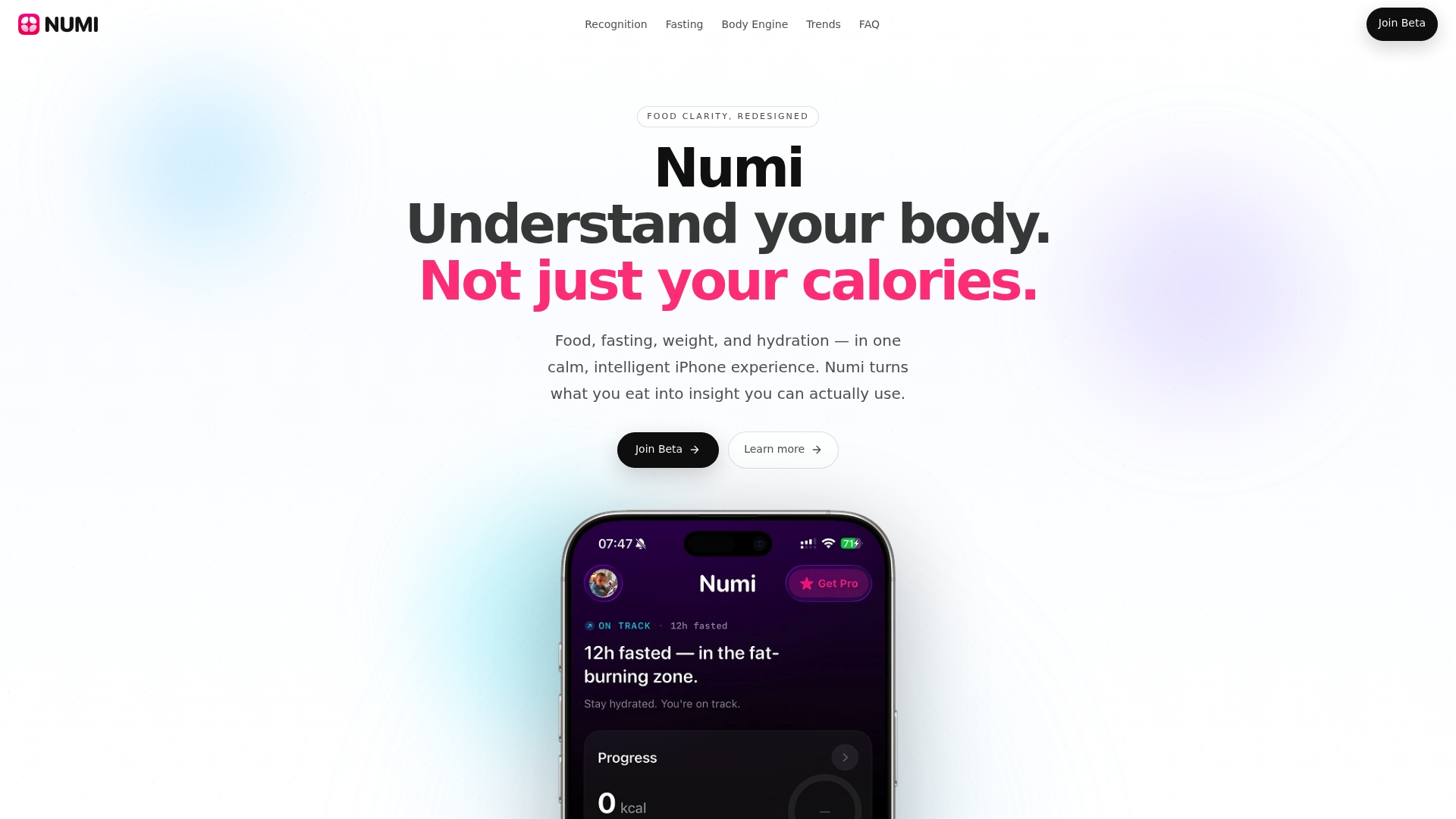
Knowing which foods to eat is one thing. Knowing whether you're actually eating them consistently is where most people fall short. Numi, the AI-powered nutrition tracker built for iPhone, makes it effortless to stay on top of your eating window food quality without manual logging or barcode scanning. Just photograph your meal and Numi's computer vision instantly identifies the foods, breaks down your macros, vitamins, and glycemic impact, and shows you how your choices align with your fasting goals. You get real-time fasting state monitoring, personalized macro suggestions, and weekly trend summaries that reveal exactly what's driving your results. For intermittent fasters who want to move beyond guesswork and build habits that actually stick, Numi is the clearest path forward.
Frequently asked questions
Can I eat fruit during intermittent fasting?
Fruits are excellent choices during eating windows because of their fiber, antioxidants, and micronutrients, but fruits are best consumed during eating periods only, not during fasting hours, as they contain natural sugars that break a fast.
What foods immediately break a fast?
Any food containing calories, including sugar, fat, or protein, breaks a fast. Only zero-calorie beverages like water, black coffee, and unsweetened tea are permitted during strict fasting windows.
How do I avoid feeling hungry during fasting?
Eat high-fiber, high-protein meals during your eating window. High-protein, high-fiber foods promote satiety and dramatically reduce hunger signals during fasting hours compared to carbohydrate-heavy meals.
Is it necessary to eat differently for the 16/8 and 5:2 methods?
Both methods benefit from whole, nutrient-dense foods, but the 5:2 plan requires foods that maximize satiety within a strict 500 to 600 calorie limit on fasting days, making fiber and protein even more critical.
Can I drink coffee or tea during fasting?
Yes. Black coffee and unsweetened tea are permitted during fasting windows because they contain no caloric content and do not trigger an insulin response that would interrupt the fasted state.